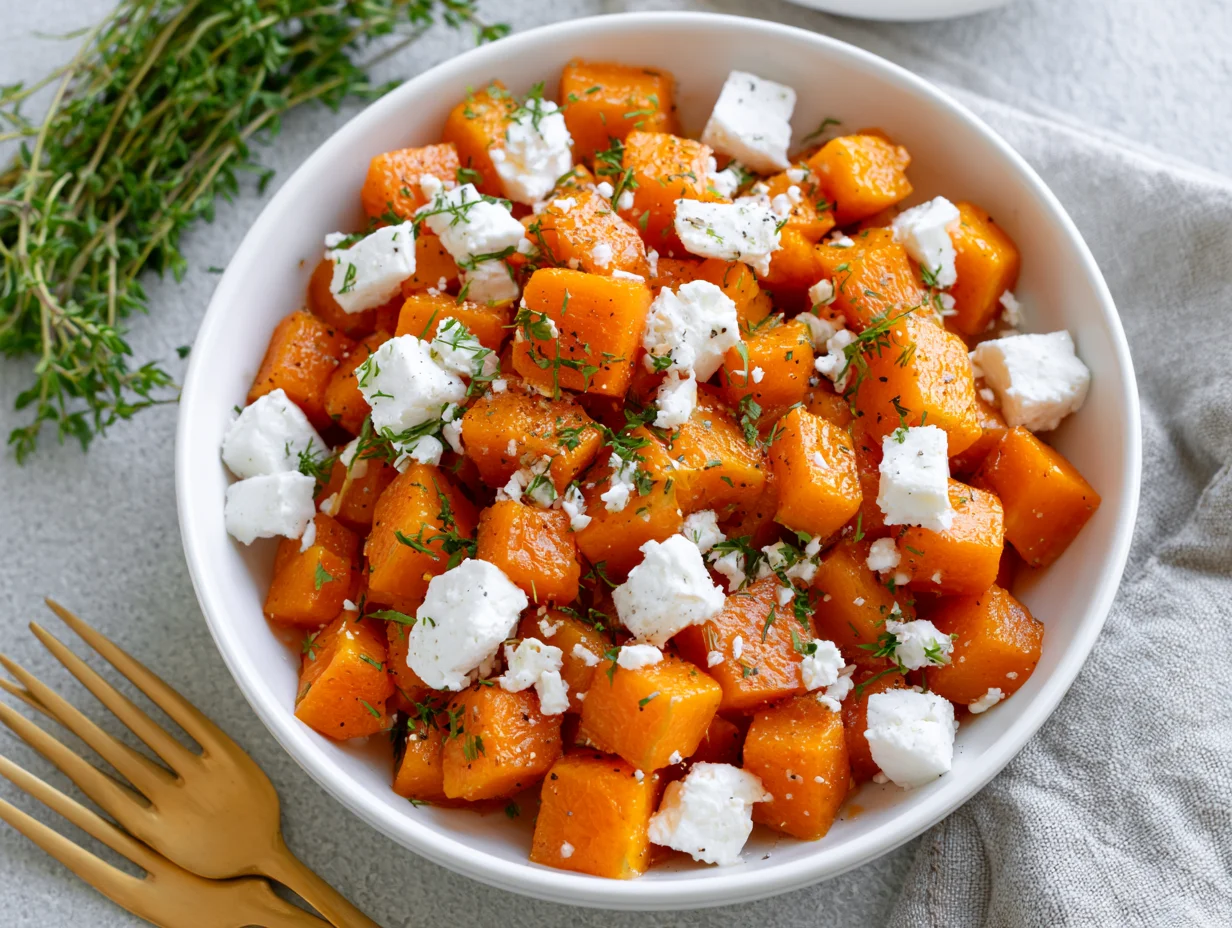
If you’re searching for a premium vegetarian appetizer recipe that delivers both visual impact and exceptional flavor, these Butternut Squash Feta Towers are exactly what your menu needs. This dish combines roasted butternut squash with creamy feta cheese to create a layered, restaurant-style presentation that feels elevated yet approachable.
The magic lies in the contrast. Sweet, caramelized squash meets tangy, savory feta in a way that creates a perfectly balanced bite every time. It’s the kind of recipe that performs well for both casual dinners and high-end entertaining, making it a valuable addition to any home cook’s repertoire.
From a culinary standpoint, this is a smart, high-value recipe. It uses affordable, nutrient-dense ingredients while delivering gourmet results—ideal for readers searching for healthy dinner ideas, vegetarian recipes, or easy gourmet appetizers.
Most importantly, it’s practical. With straightforward techniques and minimal prep complexity, you can produce a dish that looks professionally plated and tastes exceptional without requiring advanced kitchen skills.
Ingredients You’ll Need
This recipe proves that high-end results don’t require complicated ingredients—just smart combinations and proper technique.
One of the things I love about this recipe is that it uses simple pantry ingredients. You probably already have most of them in your kitchen.
Base Ingredients:
- 2 medium butternut squash
- 1 cup feta cheese, crumbled
- 3 tablespoons olive oil
- 2 cloves garlic, minced
- 1 teaspoon salt
- 1/2 teaspoon black pepper
- 1 teaspoon dried thyme
Optional Add-ins:
- 2 tablespoons honey
- 1/4 cup walnuts, chopped
- 2 tablespoons fresh parsley
- 1 teaspoon chili flakes
- 1 tablespoon balsamic glaze
Step-by-Step Instructions
Step 1: Prepare the Butternut Squash
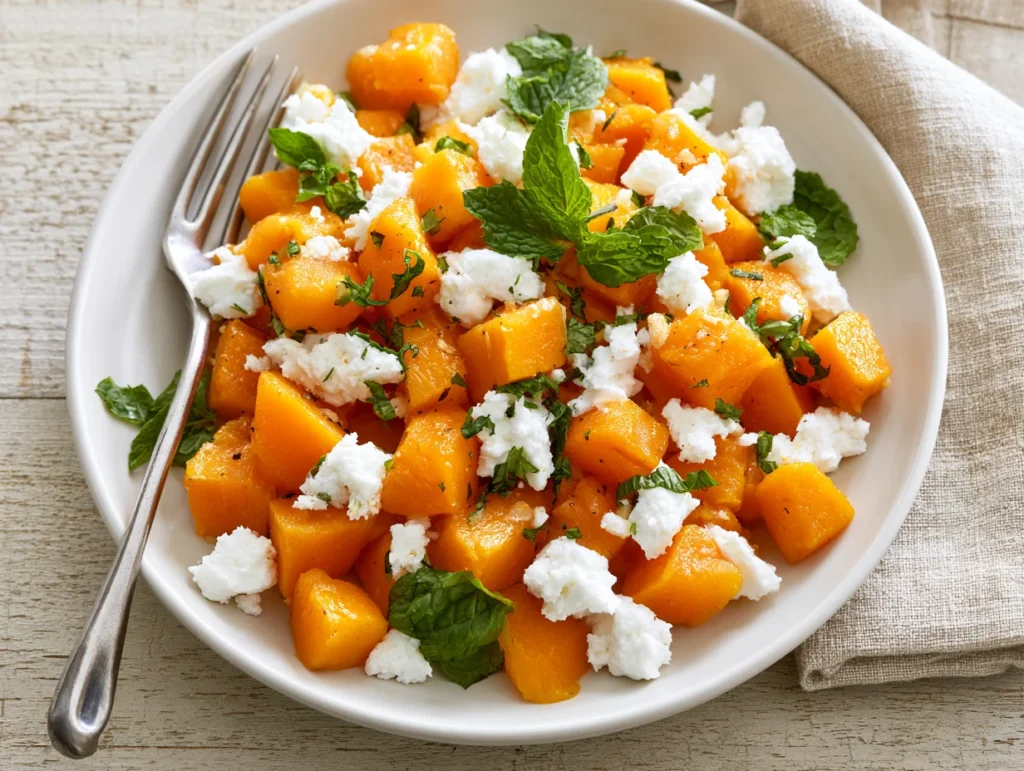
Start by peeling the butternut squash and slicing it into evenly sized rounds, approximately 1/2 inch thick. Precision matters here—uniform slices ensure even roasting and help maintain stability when stacking. Pat the slices dry using a kitchen towel to remove excess moisture, which can prevent proper caramelization. Lightly coat both sides with olive oil, then season with salt, pepper, and dried thyme. This foundational seasoning enhances natural sweetness while building a well-balanced flavor profile.
Step 2: Roast for Maximum Flavor
Preheat your oven to 200°C (400°F). Arrange the squash slices in a single layer on a lined baking tray, ensuring they do not overlap. Roast for 20 to 25 minutes, flipping halfway through, until the edges develop a golden-brown color. This roasting process is key for developing deep, slightly sweet, caramelized notes. Avoid overcrowding the tray, as proper airflow is essential for achieving a roasted texture rather than a steamed finish.
Step 3: Prepare the Feta Mixture
While the squash roasts, prepare the feta layer. Crumble the feta cheese into a bowl and mix it with minced garlic and a small drizzle of olive oil. This enhances creaminess and ensures even distribution when layering. If your feta is particularly salty, rinse it lightly and pat dry before use. The goal is a smooth, spreadable texture that complements the squash without overpowering it.
Step 4: Assemble the Towers
Allow the roasted squash to cool slightly before assembling. Place one slice as the base, spread a thin layer of feta mixture, and stack another slice on top. Repeat until you have 3 to 4 layers. Press gently to secure the structure. Finish with optional toppings like walnuts, parsley, or a drizzle of honey or balsamic glaze. Serve warm for the best texture and flavor experience.
Cook Time
Total: 40 minutes
Prep: 15 minutes
Bake: 25 minutes
Servings
This recipe is designed for flexibility, making it suitable for both small gatherings and larger dinner spreads.
Makes approximately 4 to 6 servings, depending on portion size and how the towers are plated. For appetizer servings, one tower per person is typically sufficient.
For a more substantial presentation, you can serve two towers per plate alongside greens or grains. This allows the dish to transition easily from appetizer to light main course.
Common Mistakes in This Recipe
Uneven slicing is one of the most common issues. When squash pieces vary in thickness, they cook inconsistently, leading to a mix of overcooked and undercooked textures.
Another mistake is overcrowding the baking tray. This traps moisture and prevents proper roasting, reducing flavor depth significantly.
Over-seasoning is also a frequent problem. Feta cheese naturally contains salt, so adding too much seasoning can overwhelm the dish.
Finally, assembling the towers while the squash is too hot can cause structural collapse due to overly softened feta.
Solutions to Common Mistakes
Use a sharp knife or mandoline to ensure uniform slices. This small step dramatically improves both texture and presentation.
Always roast in a single layer with space between slices. Proper heat circulation ensures caramelization and better flavor development.
Taste your feta before seasoning. Adjust salt levels accordingly to maintain balance.
Let the squash cool slightly before stacking. This helps maintain clean layers and a more professional presentation.
Nutritional Information (approx. per serving)
- Calories: 220
- Protein: 6g
- Carbohydrates: 18g
- Fat: 14g
- Fiber: 3g
- Sugar: 5g
Butternut squash is rich in beta-carotene, supporting eye health and immune function. Its natural sweetness also reduces the need for added sugars.
Feta cheese contributes calcium and protein, making the dish more satisfying and nutritionally balanced.
Olive oil provides heart-healthy fats that improve nutrient absorption and overall dietary quality.
Optional additions like walnuts and herbs increase antioxidant content, adding both nutritional and textural value.
Storage Instructions
Store leftovers in an airtight container in the refrigerator for up to 3 days. Keep the towers intact for convenience or separate components if preferred.
Reheat in the oven at a low temperature to preserve texture. Avoid microwaving, as it can make the squash soggy.
For best results, store feta and squash separately and assemble fresh when serving again.
Freezing is not recommended, as it negatively impacts both texture and flavor.
Suggestions
Serve alongside grilled chicken or roasted lamb for a balanced, high-protein meal.
Add balsamic glaze or honey just before serving to enhance both flavor and visual appeal.
Pair with quinoa or arugula for a complete, nutrient-dense vegetarian meal.
Experiment with herbs like rosemary or sage for seasonal variation and deeper flavor.
Seasonal Relevance
This recipe performs best during fall and winter when butternut squash is at peak quality and flavor.
Its warm, roasted profile makes it ideal for holiday meals and festive gatherings.
It fits well into seasonal menus focused on comfort food with a refined presentation.
Even in early spring, it remains relevant as a transitional dish offering both warmth and freshness.
Final Words
Butternut Squash Feta Towers represent the perfect intersection of simplicity and sophistication. With minimal ingredients, you can create a dish that feels elevated and thoughtfully prepared.
This recipe is highly adaptable, allowing you to adjust flavors and presentation based on your audience or occasion.
It’s an excellent choice for anyone looking to expand their collection of high-value vegetarian recipes that deliver both taste and visual appeal.
Once mastered, it becomes a reliable go-to dish for entertaining, meal prep, or simply elevating everyday cooking.
Frequently Asked Questions
Can I make Butternut Squash Feta Towers ahead of time?
Yes, you can roast the squash and prepare the feta mixture in advance. Store them separately in airtight containers and assemble just before serving. This ensures the towers maintain structure, freshness, and optimal texture without becoming soggy or overly soft.
What is the best way to cut butternut squash safely?
Use a sharp chef’s knife and stabilize the squash on a flat surface. Cut off both ends first, then peel and slice evenly. A mandoline can also be used for consistent thickness, which is important for even roasting and professional presentation.
Can I turn this into a full vegetarian main course?
Absolutely. Serve the towers over quinoa, couscous, or a fresh salad base. You can also add protein-rich ingredients like chickpeas or lentils to make the dish more filling while keeping it balanced and nutritionally complete.
Butternut Squash Feta Towers Recipe
15
minutes25
minutes220
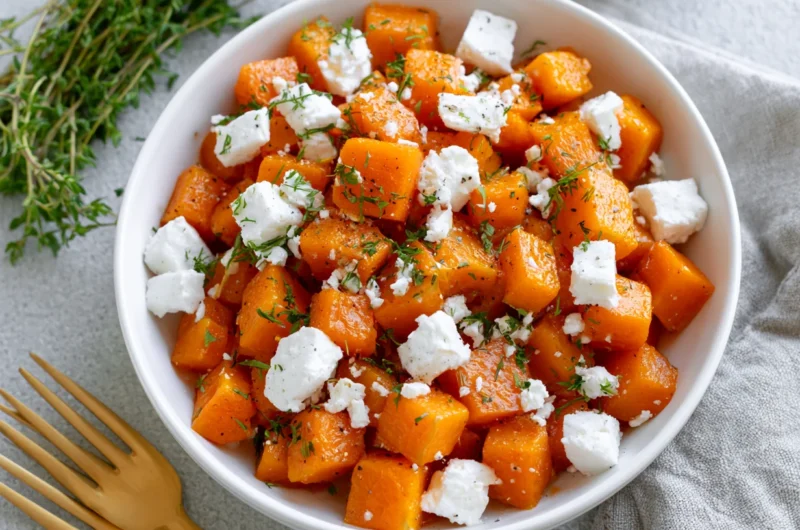
kcalA visually stunning and easy gourmet appetizer made with roasted butternut squash and creamy feta cheese. These stacked towers deliver a perfect balance of sweet, savory, and tangy flavors, making them ideal for entertaining or elegant everyday meals.
Ingredients
2 medium butternut squash
1 cup feta cheese, crumbled
3 tablespoons olive oil
2 cloves garlic, minced
1 teaspoon salt
1/2 teaspoon black pepper
1 teaspoon dried thyme
2 tablespoons honey (optional)
1/4 cup walnuts, chopped (optional)
2 tablespoons fresh parsley (optional)
1 teaspoon chili flakes (optional)
1 tablespoon balsamic glaze (optional)
Directions
- Peel and slice butternut squash into 1/2 inch thick rounds evenly.
- Pat slices dry and coat with olive oil, salt, pepper, and thyme.
- Preheat oven to 200°C (400°F) and arrange slices in a single layer.
- Roast for 20–25 minutes, flipping halfway, until golden and tender.
- In a bowl, mix feta cheese with garlic and a drizzle of olive oil.
- Allow squash to cool slightly before assembling.
- Stack squash slices with feta layers in between to form towers.
- Add optional toppings like walnuts, parsley, honey, or balsamic glaze.
- Serve warm for best flavor and texture.
Recipe Video
Notes
- Use evenly sliced squash for consistent cooking and stable stacking.
- Avoid overcrowding the baking tray to ensure proper roasting.
- Taste feta before adding extra salt to prevent over-seasoning.
- Let squash cool slightly before assembling to maintain structure.
- Serve immediately for best presentation and texture.